

By MIA Surveillance and Enforcement Team
For Small and Medium Practices (SMPs), being selected for a Practice Review presents both a responsibility and an opportunity. It is an opportunity to demonstrate adherence to professional standards, reaffirm audit quality, and strengthen internal systems. With the right preparation, the process can serve as a catalyst for continuous improvement and long-term growth.
Understanding the Purpose of Practice Review
Practice Review is designed to assess whether audit firms operate in accordance with professional standards, legal and regulatory requirements, plus ethical principles. Rather than being viewed as punitive, it should be seen as a constructive process that provides insights, promotes consistency, and reinforces a firm’s commitment to quality.
*Approaching Practice Review with a positive and constructive mindset allows firms to transform evaluation into an opportunity for meaningful improvement and continuous enhancement of their practices.
Building a Culture of Quality and Accountability
Quality begins from the top. Firm leadership plays a vital role in fostering a culture of professionalism and accountability. When partners lead by example, staff are more likely to follow.
Practical steps for SMPs:
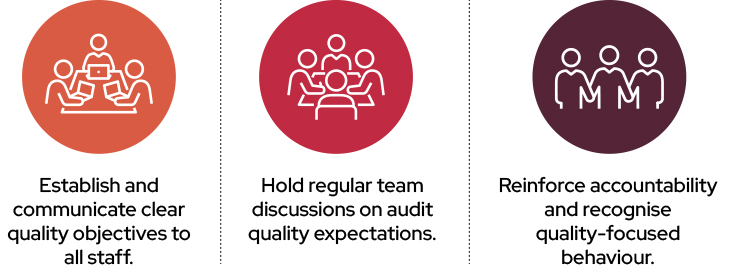
Embedding quality into daily practice ensures that compliance is a continuous effort, not limited to review periods.
Strengthening Quality Management Systems
Under the International Standard on Quality Management (ISQM) 1, every firm, regardless of size, is required to design, implement and operate a System of Quality Management (SOQM) that is proportionate to their size and complexity. SMPs should ensure their SOQM adequately covers key areas such as leadership, governance and responsibilities, client acceptance and continuance, ethics, engagement performance, resources, information and communication, and monitoring and remediation.
Preparation tips:
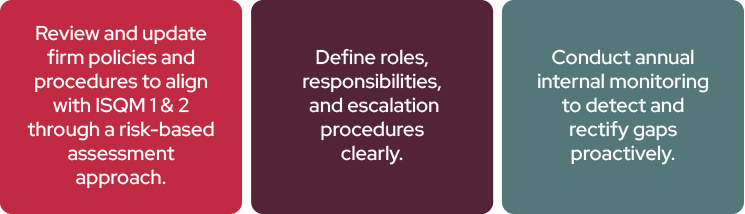
A robust QMS (quality management system) facilitates smoother Practice Review processes and safeguards a firm’s reputation and long-term sustainability.
Maintaining Comprehensive and Compliant Documentation
Incomplete documentation remains one of the most frequent findings during Practice Review. Audit working papers should clearly demonstrate compliance with the applicable ISAs and that sufficient, appropriate audit evidence was obtained. As commonly emphasised in practice reviews, if it is not documented, it is not done. Each audit file should therefore present a clear record of how the audit was planned, executed, reviewed, and concluded.
Documentation should also evidence appropriate partner involvement and review, particularly in key risk areas and significant judgements, through clear review notes, sign-offs, and conclusions. Practitioners are encouraged to refer to relevant ISAs and prior Practice Review publications for further guidance and examples of good documentation practices.
For the avoidance of doubt, any documents, records, or information created, amended, or provided after the date of the signed audited financial statements that were not available at the time of the audit were therefore not considered in forming the audit findings or conclusions. Accordingly, any audit working papers or supporting evidence that are dated after the date of the signed audited financial statements shall not be taken into consideration in the Practice Review, as such documents are deemed unreasonable and inadmissible in supporting the audit opinion formed by the audit firm.
Checklist for compliance:
✔ Ensure every audit engagement file includes evidence of planning, risk assessment, and conclusions with supporting evidence being documented.
✔ Use consistent documentation templates across engagements, ensuring they are regularly reviewed and updated, and maintain proper cross-referencing for ease of review.
✔ Conduct internal file reviews before finalisation to ensure completeness.
✔ Put adequate controls in place for archival and retention of engagement documentations, including use of IT (Information Technology) resources to ensure no documentation is compromised or lost.
A common misconception is that the implementation of audit software will automatically resolve documentation deficiencies. While such tools may enhance efficiency, they cannot substitute for sound audit planning, the application of professional judgement, and disciplined documentation practices, which remain fundamental to audit quality.
Strong documentation not only supports compliance but also protects the firm in the event of regulatory or legal scrutiny.
Investing in Training and Continuous Professional Development
Audit quality depends on the competence and professional judgement of practitioners. In line with the resources component of ISQM 1, SMPs should take a structured approach to hiring, retention, and development, recognising training as integral to a sustainable quality management system. While staff turnover is a common challenge, ongoing training remains essential to embedding audit quality and should focus on technical updates and common deficiencies highlighted in previous reviews and PR Annual Reports.
Suggestions for SMPs:
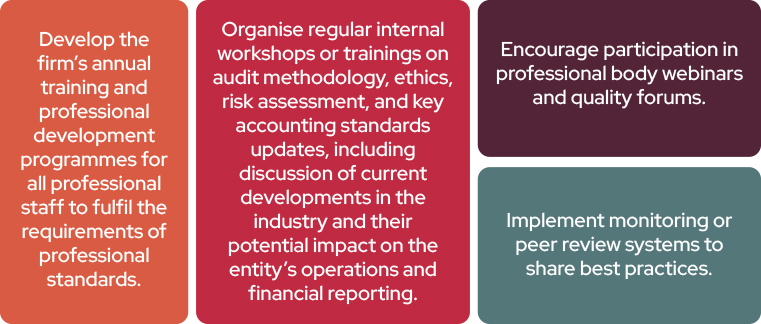
Ongoing professional development builds a resilient team capable of adapting to regulatory changes and reducing potential risks.
Conducting Self-Assessment and Internal Review (Monitoring Review)
Firms that perform self-assessments before a formal Practice Review are more likely to demonstrate better preparedness and experience fewer non-compliance findings.
Internal or monitoring reviews help identify weaknesses early (e.g. procedural gaps, documentation deficiencies, and control weaknesses), allowing corrective actions to be implemented proactively. In turn, these will allow for timely remediation (e.g. through staff training, process refinement, or enhanced oversight), ultimately strengthening audit quality and reducing regulatory risk.
For sole practitioners, simple alternatives such as peer reviews, independent checklists, or occasional external input can help maintain objectivity.
Best practices include:
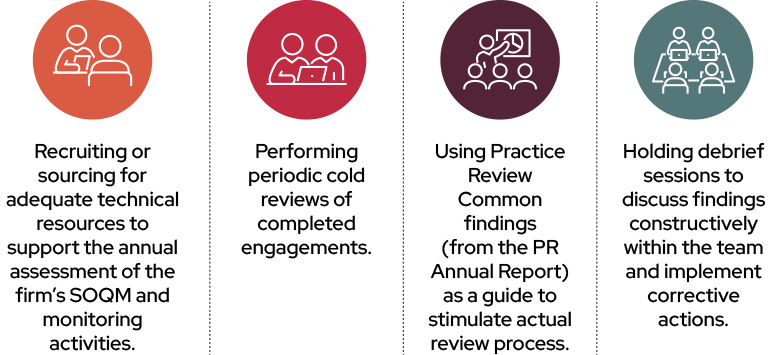
Proactive self-review demonstrates accountability and supports continuous improvement.
Communicating and Cooperating During the Review
When selected for Practice Review, effective communication with the review team is essential. Firms should ensure that all requested materials are complete and well-organised from the outset, rather than submitted piecemeal after the review. Maintain open communication and present engagement files in a clear and structured manner.
Approaching the process with transparency and a cooperative attitude not only facilitates a smoother review but also reflects positively on the firm’s commitment to quality.
If areas for improvement are identified, take them constructively. Promptly address the findings, implement corrective measures, and document the actions taken for future references.
Learning from Feedback and Sustaining Improvement
The true value of Practice Review lies in the follow-up. Firms should use feedback to strengthen internal processes, enhance procedures, and build team capability. Avoid short-term fixes; instead, address root causes and document long-term corrective actions. Regular review of these measures ensures continued relevance and effectiveness.
Conclusion
Preparation for Practice Review is more than an administrative exercise – it is an ongoing commitment to professional excellence. By cultivating a culture of quality, maintaining strong documentation, investing in continuous learning, and embracing feedback, firms can use the Practice Review process to reinforce good practices and support sustainable audit quality.
Practice Review contributes to greater consistency, accountability, and confidence in the profession. Firms that engage with the process in a proactive, open, and professional manner are well positioned to strengthen their practices, enhance resilience, and continue to serve their clients and the wider public interest with confidence.
*Practice Review goes beyond compliance by fostering accountability, continuous improvement, and professional excellence.