

By the MIA Sustainability, Digital Economy and Services Team
Sustainability considerations are becoming increasingly embedded in the way organisations are governed, managed and evaluated. As reporting requirements evolve and expectations around transparency continue to rise, accountants are expected to play a more active role in supporting sustainable business practices and long-term value creation.
This quarterly update highlights key initiatives undertaken by MIA between January and March 2026 to advance its Sustainability Agenda, strengthen professional capabilities and support members in responding to the growing demands of the sustainability landscape.
Progressing on the MIA Sustainability Roadmap
The MIA Sustainability Roadmap operationalises the MIA Sustainability Blueprint for the Accountancy Profession. It comprises 169 targeted initiatives designed to facilitate effective implementation of the Blueprint in achieving the sustainability aspirations.
As at 31 December 2025, the Institute had completed 39 initiatives, reflecting steady momentum towards achieving the Roadmap’s long-term goals. Key highlights include:
- the launch of the MIA Certificate of Sustainability for Accountants during the MIA Sustainability Showcase in December 2025;
- the establishment of the Sustainability Resource Hub as a one-stop centre providing access to sustainability standards, practical tools and guidance, capacity-building programmes and essential sustainability resources;
- the organisation of various webinars covering topics such as public sector sustainability reporting, climate-related matters, sustainability and technology, sustainability reporting and assurance, as well as tax governance;
- the MIA-ICAEW Train the Trainers workshop for academicians on accounting and sustainability related topics; and
- the enhancement of training materials for both introductory and preparer levels as part of the development of sustainability-related training content for Integrated Reporting.
The successful advancement of the Roadmap underscores the Institute’s proactive commitment to advancing its Sustainability Agenda and ensuring that accountancy professionals remain relevant in the sustainability space. By systematically addressing capacity-building, advocacy, and the development of practical tools and resources, MIA continues to position its members as sustainability leaders and advocates capable of driving meaningful change within their organisations and communities.
Engaging the Energy Commission
As part of its ongoing efforts to strengthen collaboration with key stakeholders in support of the national sustainability agenda, MIA paid a courtesy visit to the Energy Commission (ST) on 4 February 2026.
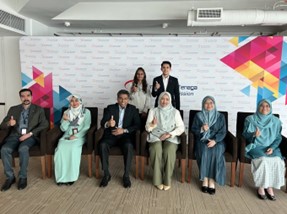
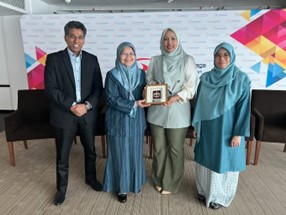
Led by MIA Chief Executive Officer, Mr G Shanmugam, the MIA delegation was warmly received by Puan Ir. Ts. Nurhafiza Mohamed Hasan, Director of the Strategy and Corporate Affairs Division, together with senior officers of ST.
During the engagement, Mr G Shanmugam, Dr. Nurmazilah Dato’ Mahzan, Member of the MIA Sustainability Committee, and Puan Rasmimi Ramli, Executive Director of Sustainability, Digital Economy & Services of MIA, shared the Institute’s aspirations to further strengthen the accountancy profession’s role as a sustainability advocate in supporting Malaysia’s energy transition agenda. The meeting also provided an opportunity for both parties to explore potential areas for strategic collaboration and mutual support.
For more information on MIA Sustainability Agenda, please visit https://mia.org.my/sustainability/
Mandatory CPE Hours on Sustainability-Related Training
On 5 March 2026, the Institute held a virtual roundtable discussion on its proposal regarding mandatory Continuing Professional Education (CPE) requirements on sustainability-related training. The session brought together MIA leadership including MIA President, Dato’ Saniza Said, key stakeholders such as the Accountant General’s Department (AGD) and organisational members of the Advisory Committee on Sustainability Reporting (ACSR), representatives of the profession and sustainability experts.
Discussions centred on a proposal to introduce a compulsory annual requirement of two (2) structured and verifiable CPE hours dedicated to sustainability-related learning. This initiative, which forms part of the MIA Sustainability Roadmap, is intended to ensure that accountancy professionals remain at the forefront of the sustainability agenda and possess the foundational knowledge required to support organisational transformation and respond effectively to increasing sustainability reporting and regulatory expectations.

The MIA Sustainability Committee will consider the feedback and insights gathered during the session as it further refines the proposal.
Conclusion
The initiatives undertaken during the quarter reflect the continued evolution of the accountancy profession’s role in sustainability. Beyond supporting reporting and compliance requirements, accountants are increasingly expected to contribute to informed decision-making, effective governance and the creation of long-term value.
Through the implementation of the MIA Sustainability Roadmap, stakeholder engagements and targeted capacity-building initiatives, MIA remains committed to equipping members with the knowledge and competencies needed to respond to these evolving expectations. In doing so, the Institute continues to support the development of a profession that is trusted, relevant and well positioned to contribute to sustainable business practices and national development.