

By the MIA Islamic Finance Team
The increasing prominence of Islamic social finance on a global scale is transforming the approaches communities use to tackle enduring socio-economic issues. Instruments such as zakat, waqf, sadaqah, and Islamic social investments are mobilising resources at unprecedented scale, funding poverty alleviation, healthcare, education, and community infrastructure. However, greater scale has also necessitated greater accountability. Stakeholders—donors, regulators, beneficiaries, and the wider public—are no longer satisfied with assurances of Shariah compliance alone. They want evidence that funds are producing real, transformative outcomes.
Meeting this demand requires more than good intentions. It calls for a structured, credible, and accessible mechanism for monitoring and reporting impact. That is precisely the purpose of the Industry Guide on Impact Monitoring and Reporting for Islamic Social Finance, jointly developed by the World Bank Group Inclusive Growth and Sustainable Finance Hub in Malaysia and the Malaysian Institute of Accountants (MIA).
Why This Guide Matters
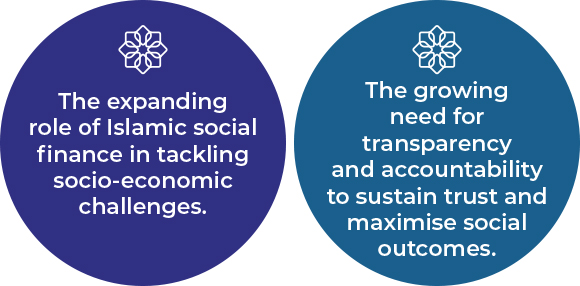
The Guide responds to two converging realities:
By offering a practical and proportionate Guide, it helps Islamic financial institutions (IFIs) and implementing entities monitor, measure, and report on the outcomes of their activities. It is aligned with internationally recognised impact management practices while remaining firmly rooted in the ethical objectives of Maqasid al Shariah.
Another significant aspect to note is that the Guide is not prescriptive. It recognises the diversity of mandates, operating models, and institutional capacities across the sector. Instead, it provides flexible reference material that can be adapted to different contexts, ensuring accessibility for both large institutions and smaller community-based organisations.
Built on Broad Consultation
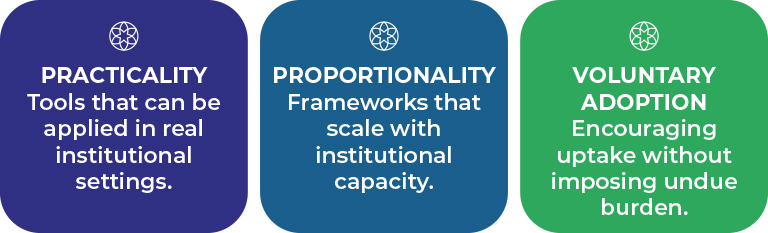
The Guide was shaped through extensive stakeholder engagement, reflecting consensus across the Islamic social finance ecosystem. Feedback highlighted strong support for a common reference point that emphasises:
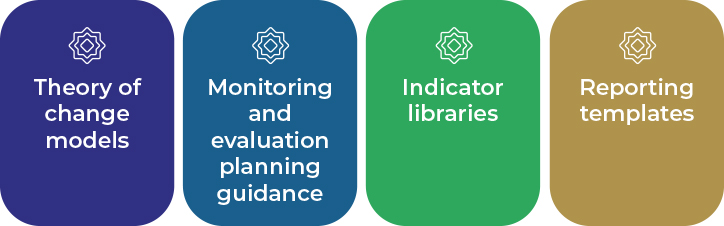
Stakeholders welcomed the inclusion of practical resources such as:
They also valued the explicit linkage to Maqasid al Shariah, which grounds impact measurement in the ethical and spiritual objectives of Islamic finance.
At the same time, feedback underscored the importance of proportionality. Outcome and impact level measurement, as well as external verification, can be resource intensive. Respondents called for a phased, risk-based approach and alignment with existing regulatory, prudential, and sustainability reporting requirements. These insights informed refinements to the Guide, strengthening coherence, practicality, and continuous improvement while safeguarding integrity.
How Institutions Can Use the Guide
The Guide is designed as a practical reference, not a rigid manual. Institutions can apply it in ways that match their mandate, scale, and capacity. Key features include:
- Principles, tools, and examples adaptable to different instruments and contexts.
- Incremental application, allowing institutions to start with the most relevant elements and deepen practices over time.
- Integration into existing processes, including governance, risk management, and regulatory reporting.
- Voluntary use, encouraging learning, piloting, and stakeholder engagement rather than compliance for its own sake.
- Institutions are encouraged to begin by familiarising themselves with core concepts such as:
- Articulating a clear theory of change
- Identifying material outcomes
- Selecting appropriate indicators to monitor progress
The Guide’s templates and tools support consistent documentation while leaving room for professional judgement. Over time, institutions can refine their practices based on implementation experience, internal reviews, and feedback from stakeholders. This iterative approach contributes to the ongoing evolution of impact monitoring and reporting across the Islamic social finance ecosystem.
A Step Towards Maturity
Islamic social finance is entering a new phase of maturity. With maturity comes responsibility: the responsibility to measure, disclose, and continuously improve. The Guide provides the tools to meet that responsibility without imposing undue burden.

By bridging international impact management practices with the ethical objectives of Maqasid al Shariah, it offers a common language for all stakeholders—donors, regulators, practitioners, and beneficiaries alike. This shared language strengthens confidence, facilitates capital mobilisation, and propel Islamic social finance to deliver meaningful and measurable social impact.
Looking Ahead
The full publication of the Industry Guide on Impact Monitoring and Reporting for Islamic Social Finance will be formally launched in June 2026. Its release marks a milestone for the sector, providing accountants, regulators, and practitioners with a consensus driven reference for impact reporting.
Readers are encouraged to anticipate the launch and begin considering how their own practices can evolve in line with this new Guide. The path to stronger transparency and greater social outcomes starts here.