By MIA Sustainability, Digital Economy and Services
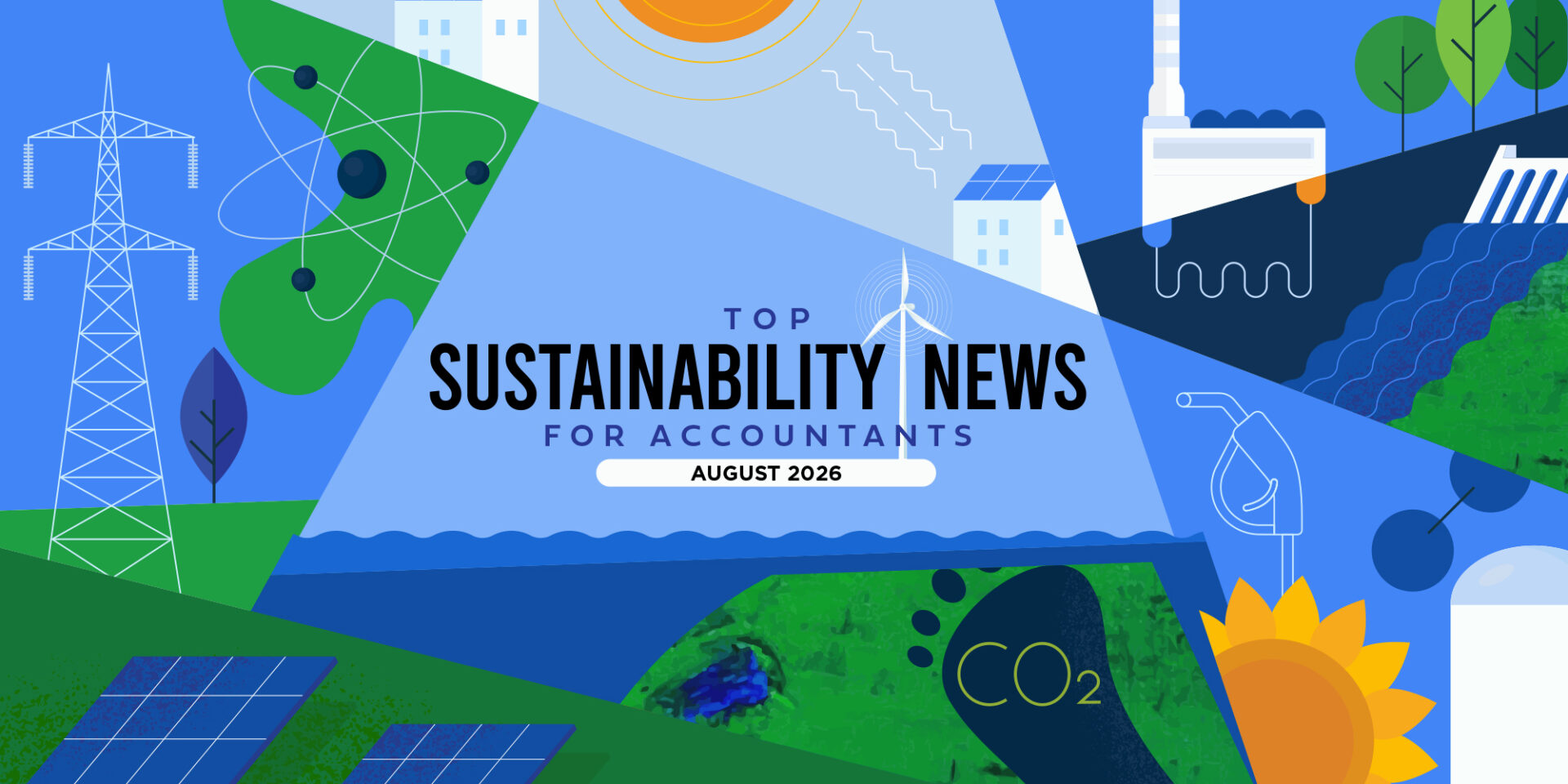
As the sustainability landscape continues to evolve, MIA presents the August 2026 edition of “Top Sustainability News for Accountants”, featuring key developments in Malaysia and internationally across sustainability reporting, sustainable finance, climate action, environmental protection, governance and responsible business practices. This edition highlights regulatory, market and industry developments that continue to shape corporate reporting, influence business decision-making and strengthen the role of the accountancy profession in advancing sustainable business practices.
4 August 2026
European Union’s New ESG Rules: Limited Direct Hit, but Supply Chain Risks Loom
5 August 2026
Exporters Likely to Strengthen ESG Data Amid EU Rules
The European Union’s revised ESG rules are expected to reduce direct reporting obligations by many Malaysian companies following the narrowing of scope to larger companies with significant EU operations. However, not-in-scope exporters and suppliers serving EU-based or EU-linked customers may still be asked to provide reliable ESG data if they supply products to large European companies that are subject to those rules. This reflects the continued importance of sustainability information across global supply chains, particularly as companies subject to EU requirements strengthen their reporting and due diligence processes.
5 August 2026
Leveraging AI for Flood Forecasting and Management

Artificial intelligence (AI) is emerging as a useful tool for improving flood forecasting and management by analysing large volumes of real-time data to identify potential flood risks. AI can help generate risk maps, early warning information, and other timely insights, enabling authorities and communities to respond more effectively to flooding and strengthen climate resilience. https://theedgemalaysia.com/node/813425
12 August 2026
New EU Sustainable Packaging Rules Enter into Force
The European Union’s (EU) new Packaging and Packaging Waste Regulation has entered into force, introducing requirements to reduce packaging waste and support towards a truly circular economy. Key measures include restrictions on certain Per- And Polyfluoroalkyl Substances (PFAS) in food-contact packaging, new traceability obligations and future requirements for packaging placed on the EU market to be recyclable by 2030. The rules may have implications beyond Europe, particularly for businesses exporting packaged goods into the EU. https://www.esgtoday.com/new-eu-sustainable-packaging-rules-enter-into-force/
13 August 2026
Bank Negara, SC-Led Panel Calls for Accelerated Climate Actions
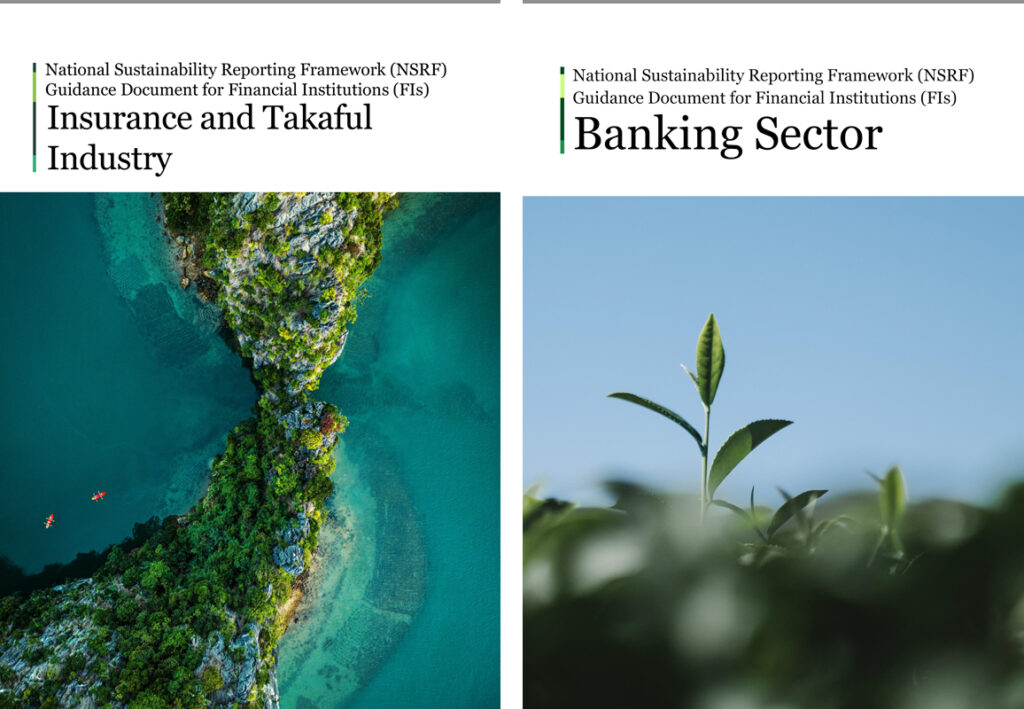
Malaysia’s Joint Committee on Climate Change, co-chaired by Bank Negara Malaysia and the Securities Commission Malaysia, has called for faster and more coordinated climate action. The focus areas include energy transition, climate resilience, measuring climate-related outcomes and mobilising climate finance. The Committee also issued the National Sustainability Reporting Framework (NSRF) Guidance Documents for banks, insurers and takaful operators to support more robust, consistent and decision-useful sustainability disclosures.
https://www.sc.com.my/nsrf/resources/policy-documents
13 August 2026
Malaysia Adopts ASEAN Sustainable Finance Taxonomy for 2028 Reporting
Malaysia will adopt the ASEAN Taxonomy for Sustainable Finance as the basis for its national taxonomy, with full adoption targeted for reporting in 2028. This move is expected to improve consistency and comparability in how sustainable finance activities are classified across the region. For businesses, financial institutions and investors, the taxonomy may provide clearer guidance in assessing transition activities and sustainable investment opportunities. https://themalaysianreserve.com/2026/08/13/malaysia-adopts-asean-sustainable-finance-taxonomy-for-2028-reporting/
20 August 2026
Environment: Yeoh Wants to Make KL’s Green Spaces Harder to Lose
Efforts are underway to strengthen protection for Kuala Lumpur’s green and open spaces amid concerns over urban development pressure. These areas play an important role in supporting climate resilience, flood mitigation, biodiversity and public wellbeing. Stronger safeguards could help ensure that urban planning better reflects the long-term environmental and social value of green spaces. https://theedgemalaysia.com/node/814608
20 August 2026
Wildlife: Sustainable Tourism Needed for Marine Conservation in Malaysia

Malaysia’s marine ecosystems face growing pressure from tourism, boating activities and coastal development, highlighting the need for more sustainable tourism practices. Better management of tourism activities and stronger protection of marine habitats can help conserve species such as dolphins and porpoises while supporting local communities. The article highlights the importance of balancing tourism growth with biodiversity protection and long-term ecosystem health. https://theedgemalaysia.com/node/814618
20 August 2026
Waste: Separation of Rubbish Needed for More Effective Waste-To-Energy Plants
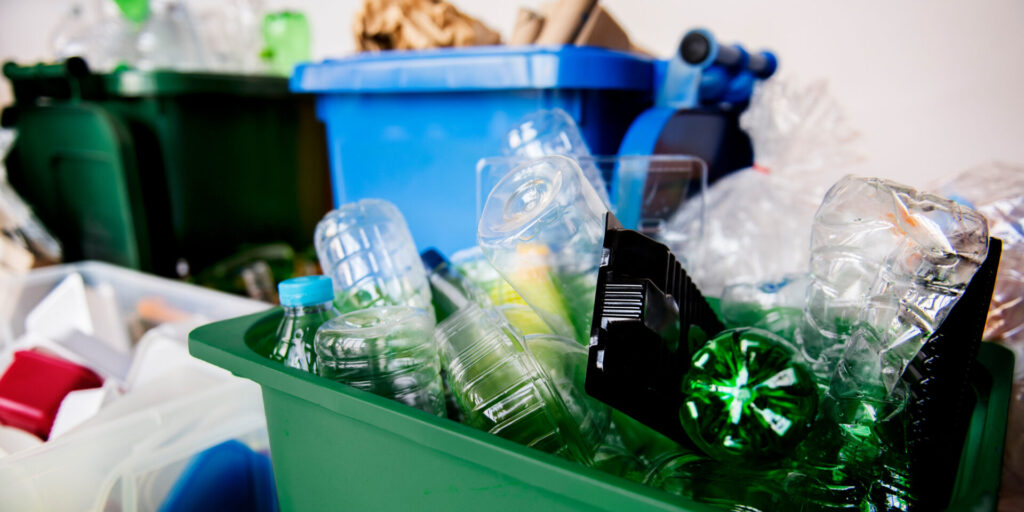
Proper waste separation at source is important to improve the effectiveness of Malaysia’s waste-to-energy facilities. Separating recyclables, organic waste and unsuitable materials before disposal can improve combustion efficiency, increase energy recovery and reduce pressure on landfills. The issue also highlights the need for stronger public participation and waste management systems to support Malaysia’s circular economy ambitions. https://theedgemalaysia.com/node/814604
23 August 2026
ESG Reporting Opens New Opportunities for Malaysia’s IPO Market
The growing emphasis on ESG reporting is creating new opportunities and expectations for Malaysia’s IPO market as investors increasingly consider sustainability performance alongside financial information. With the National Sustainability Reporting Framework expanding to all Main Market issuers, companies with stronger and more transparent ESG disclosures may be better positioned to attract investors and access capital. https://themalaysianreserve.com/2026/08/23/esg-reporting-opens-new-opportunities-for-malaysias-ipo-market/
27 August 2026
Australia’s Mandatory Sustainability Reporting Regime: Key Developments and Early Reporting Insights
Australia’s mandatory sustainability reporting regime is now underway, with the requirements applying in phases. Group 1 large entities are required to report for financial year beginning on or after 1 January 2025, followed by Group 2 medium-to-large entities for financial year beginning on or after 1 July 2026 and Group 3 smaller entities for financial year beginning on or after 1 July 2027. Early reporting experiences highlight the importance of robust data, governance, internal controls and clear accountability in preparing sustainability disclosures, providing useful lessons for organisations preparing for future reporting obligations. https://www.dentons.com/en/insights/articles/2026/august/27/australia-mandatory-sustainability-reporting-regime
The developments highlighted in this edition demonstrate how sustainability considerations are increasingly integrated into corporate reporting, finance, governance and business operations. As regulatory requirements, market expectations and sustainability practices continue to evolve, accountants have an important role in supporting credible disclosures, informed decision-making and effective integration of sustainability considerations into long-term business strategies.